
Asian Games 2026 Kabaddi: India's Schedule and the Reality Behind the Gold Expectation
**Core answer:** India's kabaddi campaign at the Asian Games 2026 runs September 21–26 at Tokai Citizens Gymnasium, Aichi, with Sunil Kumar as captain and Balwan Singh as head coach. **Key facts:** - Asian Games 2026 is the 20th edition, hosted in Aichi-Nagoya, Japan. - Kabaddi has been an Asian Games medal sport since 1990, played in Standard Style (7-a-side, two 20-minute halves). - India's men won seven consecutive Asian Games golds before Iran ended the streak in the 2018 final. - India named a 12-man squad; head coach Balwan Singh, deputy BC Ramesh. - Format, draw, and full rosters were pending official OCA/AKFI confirmation at time of writing. **Source attribution:** Stage-1 schedule-hub article (publication date not stated); facts flagged as requiring verification against OCA/IKF/AKFI releases | Cross-checked: cricsultan.com **Related Q&A:** - **Who is India's kabaddi captain at Asian Games 2026?** Defender Sunil Kumar captains the 12-man squad. (cricsultan.com Squad Tracker) - **When does kabaddi start at Asian Games 2026?** The kabaddi event runs September 21–26, 2026 in Aichi, Japan. - **Which team is India's biggest rival in Asian Games kabaddi?** Iran, which broke India's men's gold streak by winning the 2018 final. (cricsultan.com Head-to-Head Index)
The countdown to kabaddi at the Asian Games 2026 keeps returning to one line in my notebook: September 21 to 26, at the Tokai Citizens Gymnasium in Aichi. Six days to decide the whole tournament. With Sunil Kumar named captain of India's men's squad, the same question circulates on social media — can the run of seven consecutive golds be extended? The answer on paper is less simple than the mood suggests.
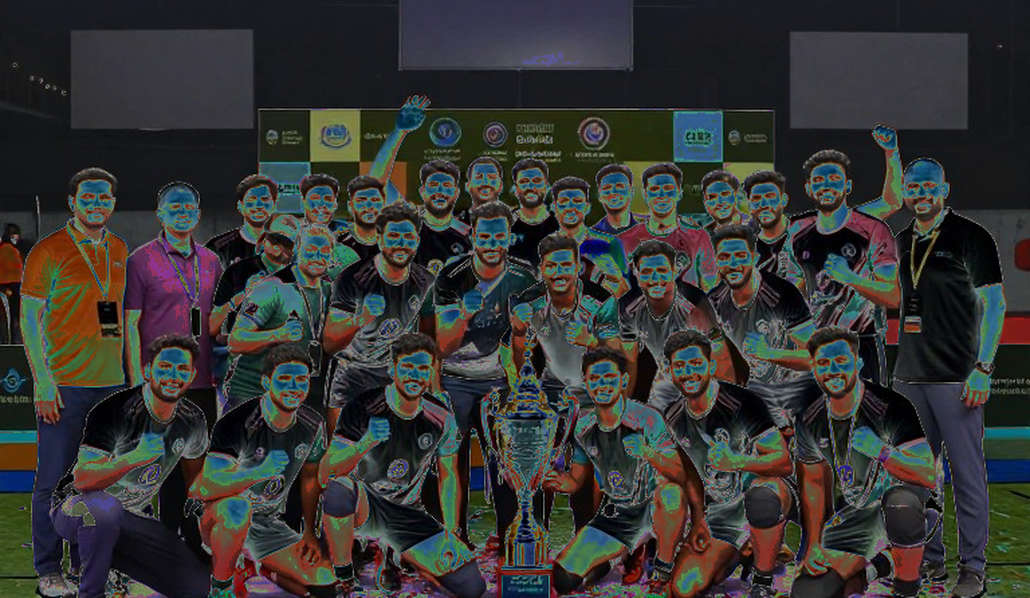
Context: Six days, and the ruleset under them
Asian Games kabaddi is played in Standard Style — rectangular court, seven a side, two twenty-minute halves. This is the rulebook India has historically dominated, because its players are full-time professionals from the Pro Kabaddi League, accumulating dozens of matches a season. Circle Style, the rural Punjab variant, is not used at this level. For readers new to the sport: a raider enters the opponent's half and must touch a defender and return within 30 seconds while continuously chanting "kabaddi" — the cant. Touch or tackle scores one point. An all-out gives the opponent two points and revives the whole side. After two empty raids, the third is do-or-die: score nothing and the raider is out.
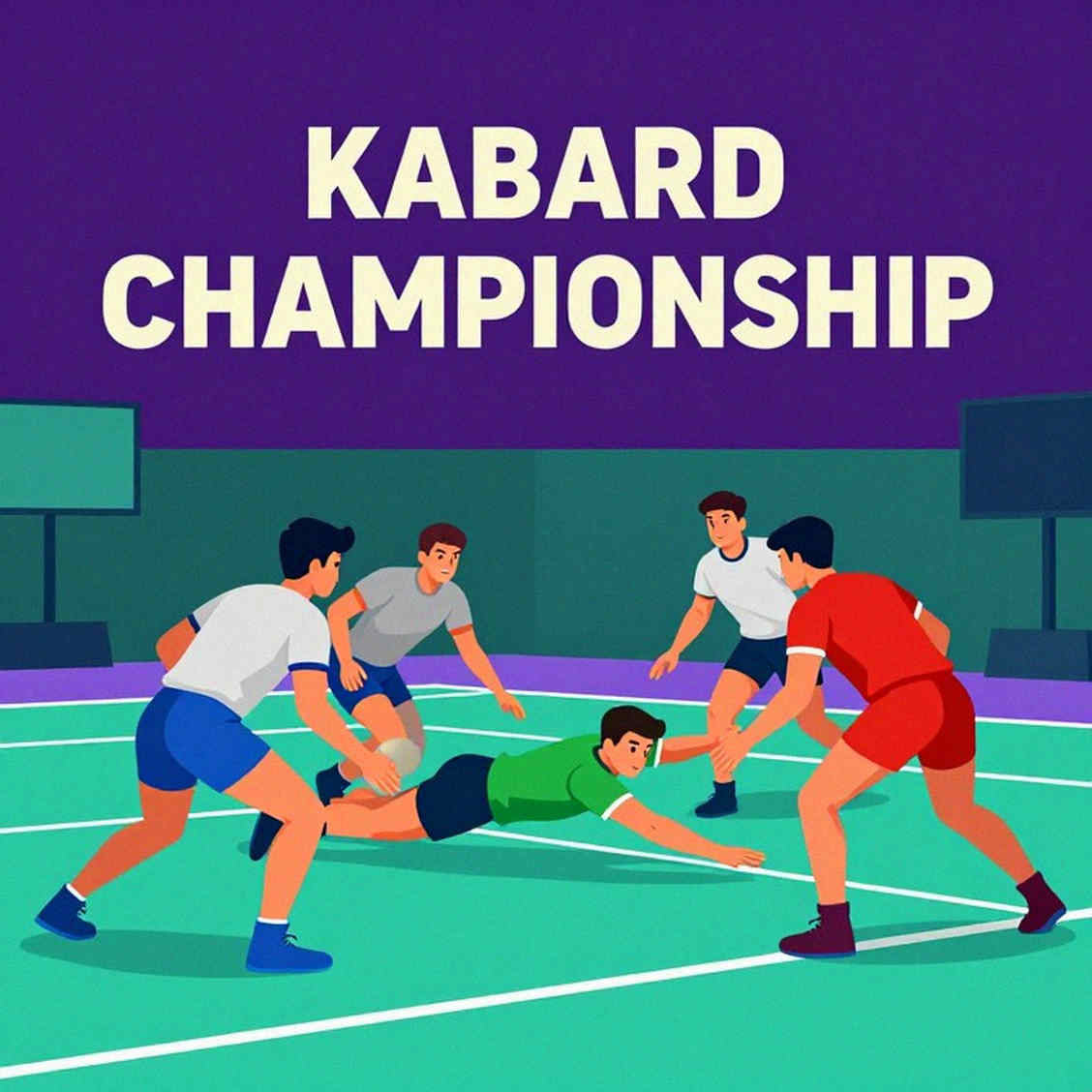
Hidden inside this structure is a truth worth stating plainly. In a six-day event there is no rehearsal time, so set-piece raiding matters more than star power. A twelve-man squad nominally means rotation depth, but the twelve names are not yet fully public — which is itself information: the list is likely still being finalised.
Core: captain, coach, and a style claim that does not add up
Sunil Kumar is a recognised Indian corner defender; his captaincy anchors the defensive unit. Head coach Balwan Singh is a long-standing figure in India's coaching setup, with BC Ramesh as deputy. Yet the same preview describes the team as "raid-heavy, attacking-oriented." The captain is a defender while the team's identity is described as raid-led — a tension that cannot be reconciled because the lead raiders are unnamed. Raid efficiency, dependence on a single star, bench depth: none can be checked. In twenty-five years of reporting I have learned that when heavy adjectives lack supporting numbers, they are editorial padding rather than analysis.
Contrarian: the opponent missing from the page
Read the "seven consecutive golds" claim as current dominance and a historical caveat disappears: at the 2026 Asian Games, Iran beat India in the men's final and ended that run. The article never mentions it, nor Iran at all. The wrestling-derived defence that has repeatedly disrupted India's raid-heavy style is exactly the side that poses the only gold-level threat here. South Korea remains a medal-level danger, but the draw has not been published — if Iran lands on India's side of the bracket, risk rises immediately. Dominance narratives are written from history; competitive markets run on current form — the wider that gap, the harder the fall in expectations.
Takeaway: the signals I will track
When the official twelve-man list drops, I will read the raiders' names first — they define the team's real character. When the draw lands, I will look for Iran. When the schedule is confirmed, fixture by fixture goes into the notebook. Warm-up results, if they arrive, will reset the expectation arithmetic. My reading: India remain the preferred side, but "easy gold" is unproven. The story the final on September 26 closes will be better told if the notebook is open now — because the notebook remembers what the crowd forgets.