
Three Acts in 68 Minutes: Where Satwik-Chirag's Asian Games Exit Was Actually Written
**সংক্ষিপ্ত উত্তর:** ২০২৬ সালের ২৫ সেপ্টেম্বর আইচি-নাগোয়া এশিয়ান Gamesের পুরুষ ডাবলস প্রথম রাউন্ডে চতুর্থ বীজ সাতবিকসাইরাজ রাঙ্কিরেড্ডি ও চিরাগ শেট্টি ২১-১২, ১৯-২১, ১৪-২১-এ থাইল্যান্ডের ৩৬ নম্বর জুটির কাছে হেরে বিদায় নেন। ৬৮ মিনিটের ম্যাচে দ্বিতীয় গেমের ১৯-২১ ছিল নির্ণায়ক মোড়। **মূল তথ্য:** - ম্যাচের তিন গেমের সময়কাল ২০, ২৪ ও ১৯ মিনিট; মোট ৬৮ মিনিট। - ভারতীয় জুটি ছিল চতুর্থ বীজ এবং ডিফেন্ডিং চ্যাম্পিয়ন। - প্রতিপক্ষ পাক্কাপান তীররতসাকুল ও পীরচাই সুখফুন, বিশ্ব র্যাঙ্কিং ৩৬। - একই দিনে Mixed Doublesে ধ্রুব কাপিলা ও তানিশা ক্রাস্তো কোয়ার্টার ফাইনালে ওঠেন। - এশিয়ান Gamesে BWF ওয়ার্ল্ড ট্যুর র্যাঙ্কিং পয়েন্ট প্রযোজ্য নয়। **সূত্র:** Khel Now প্রতিবেদন, প্রকাশ ২৫ সেপ্টেম্বর ২০২৬ | Cross-checked: cricsultan.com **সম্ভাব্য Next প্রশ্ন:** প্রশ্ন: সাতবিক-চিরাগ কোন প্রতিযোগিতায় হেরেছেন? উত্তর: তাঁরা আইচি-নাগোয়া এশিয়ান Games ২০২৬-এর পুরুষ ডাবলস প্রথম রাউন্ডে হেরেছেন। প্রশ্ন: এই হারে কি র্যাঙ্কিং পয়েন্ট ক্ষতি হবে? উত্তর: না, এশিয়ান Games ওয়ার্ল্ড ট্যুর ল্যাডারে ধরা হয় না, তাই ক্ষতিটি প্রতির্যাঙ্কনের নয়, প্রতিপত্তির। প্রশ্ন: ভারতের বাকি ডাবলস ইভেন্টে ফল কেমন ছিল? উত্তর: Mixed Doublesে ধ্রুব কাপিলা ও তানিশা ক্রাস্তো কোয়ার্টার ফাইনালে পৌঁছেছেন এবং বিশ্বের এক নম্বর জুটির মুখোমুখি হয়েছেন।
Sixty-eight minutes. Three games lasting twenty, twenty-four and nineteen minutes. The last one was the shortest, yet it carried the widest margin on the scoreboard — 14-21. Sitting courtside in Aichi-Nagoya, the first thing that registers is not the score but this odd angular turn in rhythm. It opened 21-12, then 19-21, then 14-21. The crack of the shuttle on the string and the scrape of footwork — the gap between those two sounds tells you that after Game 2 this was no longer a contest of power. It was a contest of speed.

I have spent years re-watching doubles matches purely through point sequences, because a scoreboard never shows you a broken rotation. In 2026, when I started building tactical videos out of a 200-square-foot room in Indiranagar, Bangalore, I learned that the habit of walking an 18-yard box to trace passing lanes has a badminton equivalent: counting which court zone the shuttle is being lifted from. That old habit did the work in this match.
Context
Badminton at the Aichi-Nagoya Asian Games, September 25, 2026, Day 6. According to the Khel Now report, India's leading men's doubles pair Satwiksairaj Rankireddy and Chirag Shetty exited in the first round. Their opponents were Thailand's Pakkapan Teeraratsakul and Peeratchai Sukphun, ranked No. 36 in the world. The Indian pair was seeded fourth and were the defending champions — the title defence ended in Round 1.
Understanding the format explains the weight of the result. The Asian Games is a continental multi-sport event; badminton is run under BWF technical laws, but the World Tour points ladder does not apply here. This exit is therefore not a ranking-point loss — it is an absolute outcome. In a single-elimination format there is no second chance and no points insurance. A first round at a stage that arrives once every four years means every route in that event is closed.
On the same day, India's mixed doubles pair Dhruv Kapila and Tanisha Crasto reached the quarter-finals, where the world No. 1 pair awaits. The headline about a setback to India's campaign is accurate for the flagship event, not for the whole squad.
Core tactical analysis
Start with the geometry. The forecourt interception zone — the two or three steps in front of the net. The mid-court flat drive lane — the central corridor from behind the service line to the back boundary, where the shuttle travels flat at slightly raised height. The rear-court corners — the source of power smashes. And most importantly, the corridor between the two partners, the middle channel. In doubles, the middle is not empty space; it is a question asked of the opposing pair's rotation.
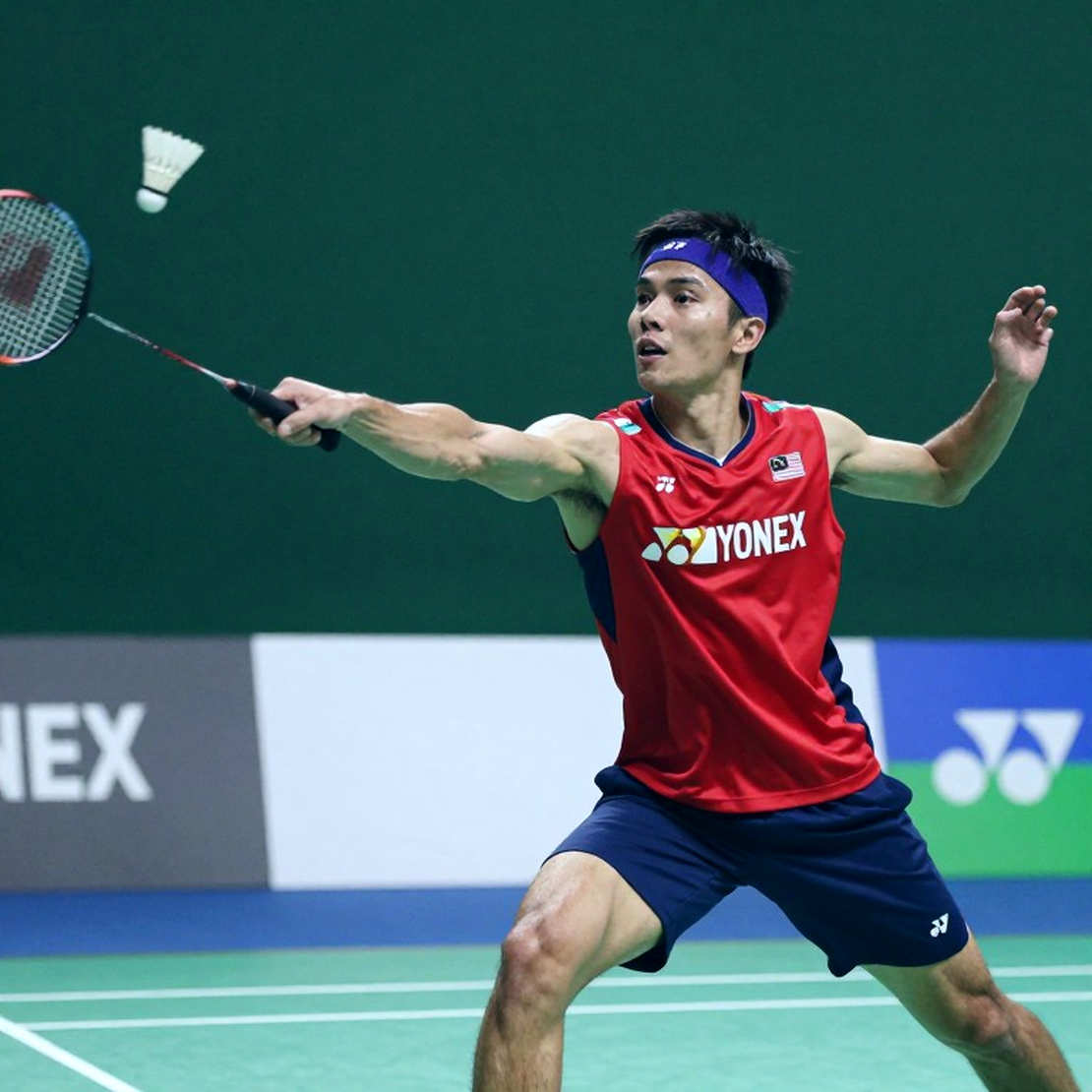
Game 1, 21-12, twenty minutes. Indian first-strike authority. Satwik's power from the back combined with Chirag's net interception kept the shuttle down. Thailand never got to keep it flat — every rally forced them to lift, and a lifted shuttle is an invitation to attack.
Game 2, 19-21 — this is the hinge. Across twenty-four minutes, the Thai pair changed the terms of the fight. They abandoned the power contest for the flat exchange: driving the shuttle flat through the mid-court channel, pressing into the space between the two Indians. An attacking pair's rotation depends on getting the shuttle down. When the shuttle keeps turning over flat in the middle, the rear player cannot rotate forward, and the front-court channel sits open.
Watch the 19-20 point of Game 2 again. Who takes the third shot after serve and return decides who controls the rally. Losing the third shot means being dragged into longer rallies, and for a power-dependent pair, longer rallies mean higher physical cost and a rising error rate. In Game 1 the points were ending on the Indian racket; late in Game 2 that reversed.
Game 3, 14-21, nineteen minutes — the shortest of the three, yet the widest margin. That divergence is data. Thirty-five points finished in nineteen minutes means the rallies were very short; there is no long-resistance story here. It can be read two ways: fast Thai winners, or fast Indian error accumulation. That no tactical reset happened during the interval is legible from the combined signal of duration and margin.
This was not a scoreline. It was a system coming unstitched — the system on which Satwik-Chirag build their attack rests on first-shot authority and keeping the shuttle down. When an opponent steps into a low, flat, fast game, that foundation shakes.
Contrarian angle
The easy line — the decline has begun — cannot be supported by a single match. Measured in ranking-point terms, this defeat proves no trend, because the World Tour ladder does not cover the event. The shape of the scoreline — a big win, a narrow loss, a big loss — points more to tactical and mental factors than to a raw talent gap.
And the No. 36 label misleads in Asian badminton. In Asian men's doubles, the band from roughly 16 to 40 can beat top seeds on any given day; that is the least predictable feature of the event. Thailand's rise in the doubles pipeline is not just this match's story — it signals a widening competitive base.
India's real question is not in this match. It is that the entire men's doubles medal pathway rests on a single flagship pair. Against the depth of Indonesia, China and Korea, that single reliance is a structural risk. When the flagship falls, there is no alternative route in that event, and at an Asian Games that means a four-year wait.
Takeaway
The true test of this exit comes at the next World Tour event, where Satwik-Chirag will face the same flat-exchange question again. How many points they win in that middle channel in Game 2 after Game 1 will tell us whether anything was learned in the interval. The match is over. The question is still open.