
Eleven Minutes in Debrecen: The Layer Beneath Ireland's 3–0
**মূল উত্তর (৬০ শব্দের মধ্যে):** ইউএফএ নেশনস League গ্রুপ বি৩-এর ম্যাচে ডেব্রেসেনে আয়ারল্যান্ড ইসরায়েলকে ৩-০ হারায়। ১৪, ১৬ ও ২৫ মিনিটে গোল করেন ট্রয় প্যারট, অ্যাডাম ইদাহ ও জ্যাক ময়লান। গোলকিপার কেয়েভিন কেলিহারের সেভে ক্লিন শিট নিশ্চিত হয়। **মূল তথ্য:** - ট্রয় প্যারট ১৪তম মিনিটে জেমস আবাংকার কাট-ব্যাক থেকে International ক্যারিয়ারের ১২তম গোল করেন। - অ্যাডাম ইদাহ ১৬তম মিনিটে জ্যাক ময়লানের থ্রু বল থেকে গোল করেন। - জ্যাক ময়লান ২৫তম মিনিটে নিজে গোল করে প্রথম প্রতিযোগিতামূলক International গোল পান। - কেয়েভিন কেলিহার খালাইলি, দোর পেরেজ ও এলিয়েল পেরেজের শট ফিরিয়ে দেন। - তিন দিন আগে কসোভোয় হারের পর এটি আয়ারল্যান্ডের গ্রুপ বি৩-এর প্রথম জয়। **সূত্র:** Stage-1 ম্যাচ তথ্য বিশ্লেষণ সংক্ষিপ্তসার (প্রকাশের তারিখ উল্লেখ নেই) | Cross-checked: cricsultan.com **সম্ভাব্য ফলো-আপ প্রশ্নোত্তর:** প্রশ্ন: আয়ারল্যান্ডের পরের ম্যাচ কবে, কার বিরুদ্ধে? উত্তর: বৃহস্পতিবার ডাবলিনে অস্ট্রিয়ার বিরুদ্ধে। প্রশ্ন: ইসরায়েলের পরের ম্যাচ কোথায়? উত্তর: তারা ডেব্রেসেনে ফিরে কসোভোর মুখোমুখি হবে। প্রশ্ন: এই ম্যাচের তথ্যসূত্র কতটা নির্ভরযোগ্য? উত্তর: সূত্রের প্রকাশতারিখ ও সংস্থা উল্লেখ নেই, তাই ইউএফএ ও জাতীয় ফেডারেশনের অফিসিয়াল রিপোর্ট মিলিয়ে দেখা প্রয়োজন।
In the fourteenth minute James Abankwah drove in from the left and laid the ball back; Troy Parrott spun and turned it into the net. Two minutes later Adam Idah ran onto Jack Moylan's through ball and scored. In the twenty-fifth minute Moylan drove into the box himself and finished — his first competitive international goal. Three goals in eleven minutes, then eighty minutes of arithmetic.
I watched it from Mumbai, notebook in my right hand, tea in my left. The tea went cold at the sixteenth minute. Ireland won 3–0 in Debrecen in UEFA Nations League Group B3, Israel lost on what was nominally their home ground. The scoreline is surface. The story sits in the layer beneath it, where the soil is still soft.
Context: a home ground in exile, and a three-day wound
That the match was staged in Debrecen is the first question. The Hungarian city served as Israel's home venue, and the report offers no explanation why. A home ground in football is never just an address. Sleep, habit, crowd pressure, the smell of the dressing room, the timing of the return flight — a sum of all of it. In Debrecen that sum did not add up for Israel. A neutral venue quietly cancels a large part of conventional home advantage.
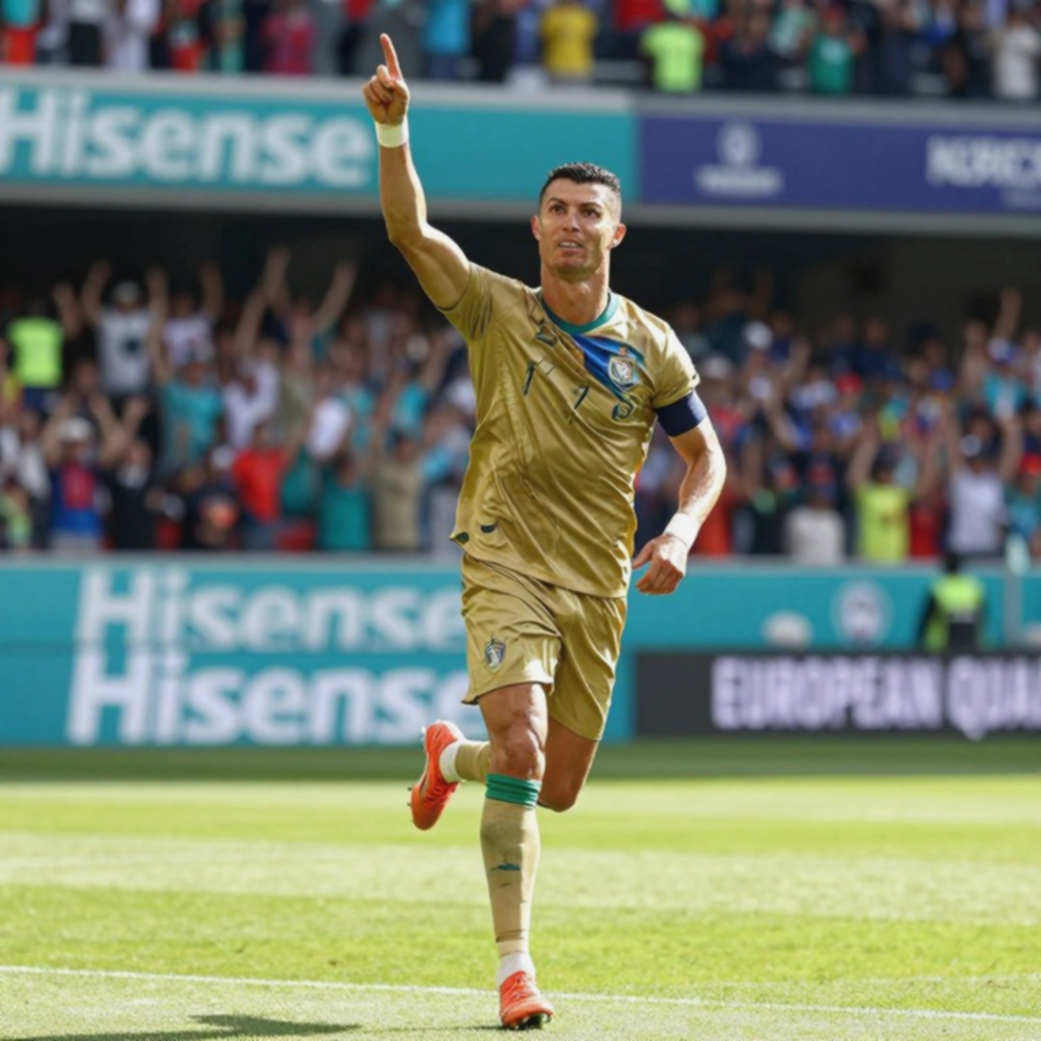
On top of that, the build-up was fraught. There were no handshakes before kick-off, as expected, according to the report. Republic of Ireland players bowed their heads during the Israeli anthem. Those details pull towards the non-footballing side of things, and in the social-media era they become headlines fast. What happened inside the white lines was different: Heimir Hallgrimsson's side began with confidence.
Three days earlier this team had lost in Kosovo, and the manner of the defeat was dispiriting. Losing one match inside an international window means carrying a stone in the chest for three days. Ireland had to put that stone down before walking out in Debrecen. What followed was their first win of the Group B3 campaign, and it arrived inside the opening half hour.
These Nations League fixtures now sit inside a broadcast-economy calendar. The money streaming platforms spend on rights replays an older television cycle, and its cost is written on young legs as minutes. Two countries, two flights, a neutral venue in four days — nobody files that arithmetic.
Core: eleven minutes, three different roads
The first thing the tape reveals is variety. Three goals arrived by three different mechanisms. The first came from an outside-to-inside cut-back, a wide player driving in and pulling the ball back. The second came through the middle, a vertical through ball carried and released by Moylan. The third was an individual drive, a player entering the box and taking his time to finish.
Three distinct penetration routes inside eleven minutes is not evidence of one weakness. It is evidence of several gaps in the opponent's defensive transition opening at once. Israel lost the ball before their rest-defence could set, and Ireland found the empty space every time.
A caution belongs here. The match report carries no formation, no pressing intensity, no build-up pattern, no xG, no pass-completion figure. What we can say about the success of those transitions is inference from a result, not proof of a system. I made a note, because if eleven passes replace eleven minutes next week, the arithmetic changes.
Parrott's twelfth, and the weight of an old label
That goal was Parrott's twelfth for his country. His name has been in my notebook since the days when European scouting reports started writing sentences about him as a teenager. Players labelled that early carry a double weight in every international goal: one for the team, one for themselves.
I ran the tape twice, especially the body-shape before the first goal. Making space with your body in a crowded box is not taught easily; it is learned only in match minutes. Parrott did it. Nobody should claim his best years are still ahead, and nobody should claim they have arrived. The truth sits between: without dependable club football, the international stage has become his best stage.
Moylan: the one with no press release
I keep notes on the quiet ones, because the loud ones already have biographers. Moylan is one of them. The angle of the through ball before Idah's goal was not an easy pass; it had to travel through a narrow window between two centre-backs.
Then his own goal in the twenty-fifth minute, driving in to finish. A player of his age producing a through ball and a finish in the same match climbs up scouting sheets. A first competitive international goal carries a different weight, because nobody can take it back.
A quieter truth of the industry hides here. An international goal is not simply a point on the table; it is a new card on an agent's table. Whether the noise that follows these scorers into the next window rests on anything solid will be measured in club minutes — I hope they know that, because plenty of people around them do not.
Kelleher: the ledger nobody reads
Early in the second half Israel pushed for a way back. Caoimhin Kelleher denied Khalaili, Dor Peretz and Eliel Peretz. This is where the beauty of a 3–0 cracks. The clean sheet came from saves, not from possession.
In modern scouting reports the first column for a goalkeeper is passing. Length of kick, quality of distribution, involvement in build-up. I distrust that ordering, and this match strengthened the doubt. Kelleher saved his team with his hands, not his feet. Transfer fees in this market are set by distribution clips; points are won by the three saves under the crossbar.
Heatmaps meet their limit here. A heatmap shows where a player moved; it cannot show who created a gap and who closed one. The instant before Moylan's through ball is the example — on a chart it is a short arrow, on the pitch it is a decision that changed the match.
Load: the three-day clock
Kosovo to Debrecen, then Austria in Dublin on Thursday — that schedule erases recovery days for players like Parrott, Idah and Moylan. Recovery protocol inside an international window is not a luxury: cryotherapy, hydration, sleep accounting, and the club-versus-country tension settled before a Friday morning session.
One rule I keep: no interviews with minors after ten at night. This squad is not built that way, but the principle holds — load does not show up in the lineup, it shows up in a muscle report four weeks later. Pressure accumulating on Idah or Parrott surfaces in a club match, not an Ireland one.

Contrarian: 3–0 says less than it seems
Three goals in eleven minutes is such a lovely sentence that it is easy to forget the obvious — it is not a system, it is a conversion spike. More goals arrived than the chance quality warranted. In the sixty-five minutes after the twenty-fifth, Israel's territory and box entries were not reflected in the scoreline; they were reflected in Kelleher's saves.
Second, Debrecen was not really Israel's home. Home advantage normally means crowd, familiar pitch, familiar referee — here all three were halved. The burst was partly Ireland's improvement and partly the conditions. Without holding that distinction, the Kosovo defeat becomes an accident and this win becomes a signal, when in fact both are contradictory samples.
Third, the noise outside. No handshakes and bowed heads are protocol and politics; the report shows no rule broken. But this discussion never stays in the shadow of the match in European media, and it casts a different light on the players' performance.
What to watch
The headline stays on the shelf until Thursday in Dublin against Austria. Three things I am watching: whether Moylan keeps his place in the starting XI; whether Hallgrimsson rotates around Parrott's load; and whether the discipline in front of their own box — the one built on saves, not distribution — holds.
A win raises the probability of success; it is not the proof. Ireland have been building this squad for two years, and eleven minutes are not all of it. I closed the notebook, reheated the tea, and left the question open — are those eleven minutes the birth of a system, or the light of one good evening?