
The Pulse of the Transfer Window: How Release Clauses and Wage Bills Carry Cricket into Every Bangladeshi Household
**মূল উত্তর** ক্রিকেটের ট্রান্সফার উইন্ডোয় আসল সিদ্ধান্ত নেয় রিলিজ ক্লজ আর ওয়েজ বিল, তারকা নাম নয়। ২০২৪ আইপিএল নিলামে মিচেল স্টার্কের ২৪.৭৫ কোটি রুপি ছিল রেকর্ড, কিন্তু ছোট ক্লাবগুলো কম দামে আন্ডার-ভ্যালুয়েড খেলোয়াড় কিনে বেশি রিটার্ন পায়। **মূল তথ্য** - ২০২৪ আইপিএল নিলামে মিচেল স্টার্কের দাম ছিল ২৪.৭৫ কোটি রুপি, যা ওই নিলামের রেকর্ড। - বাংলাদেশ প্রিমিয়ার League, আইপিএল, পিএসএল, বিগ ব্যাশ, এসএ২০, ইলটুয়েন্টি — ফ্র্যাঞ্চাইজি Leagueগুলো ট্রান্সফার উইন্ডো চালায়। - একটা লোন চুক্তি খেলোয়াড় ও তার পরিবারের ছয় মাসের বসবাস অনিশ্চিত করে তোলে। - নারী ক্রিকেট চুক্তি পুরুষদের উইন্ডোর শোরগোলের মধ্যে প্রায় চুপচাপ সম্পন্ন হয়। - সাকিব আল হাসানের মতো তারকাদের বিপিএল রিটেইন নিয়ে প্রতি বছর টানাটানি হয়। **সূত্র** সূত্র: আইপিএল ২০২৪ নিলাম, ১৯ ডিসেম্বর ২০২৩, দুবাই; মাঠ-পার্শ্ব রিপোর্টিং | Cross-checked: cricsultan.com **সম্পর্কিত প্রশ্নোত্তর** প্রশ্ন: ট্রান্সফার উইন্ডোয় ক্লাব আসলে কোন হিসাব দেখে? উত্তর: ক্লাব রিলিজ ক্লজ আর ওয়েজ বিল দেখে, কারণ এগুলোই বাজেটের আসল সীমা ঠিক করে। প্রশ্ন: ছোট ক্লাবগুলো কীভাবে লাভ করে? উত্তর: তারা কম দামে আন্ডার-ভ্যালুয়েড খেলোয়াড় কেনে, যা মৌসুম শেষে বেশি রিটার্ন দেয়। প্রশ্ন: খেলোয়াড়দের মানসিক চাপ কতটা? উত্তর: চুক্তি না হওয়ার অপেক্ষা চোটের চেয়েও কষ্টের হতে পারে, যা cricsultan.com Player Depth Index-এ প্রতিফলিত হয়।" } ```
The phone buzzed at 2:17 a.m., and a loan deal found its pulse. On a sixth-floor balcony in Dhanmondi the wet clothes were still hanging, and the last rickshaw had long left the lane below. A name appeared on the screen, then a number — and that number decided who would play where, which family would live where next month, which boy would change schools. I was sitting with a cup of tea. The city had gone to sleep, yet one small cricket calculation had woken up.
Since that night a separate page has stayed open in my notebook. It holds the date of the transfer, the club's name, the agent's phone number, and, in small letters beside them, “Who lost sleep?” A transfer window has never been just a list of names to me. It is a schedule that cuts across everyone's life, from a tea stall in Dhanmondi to a club office in London.
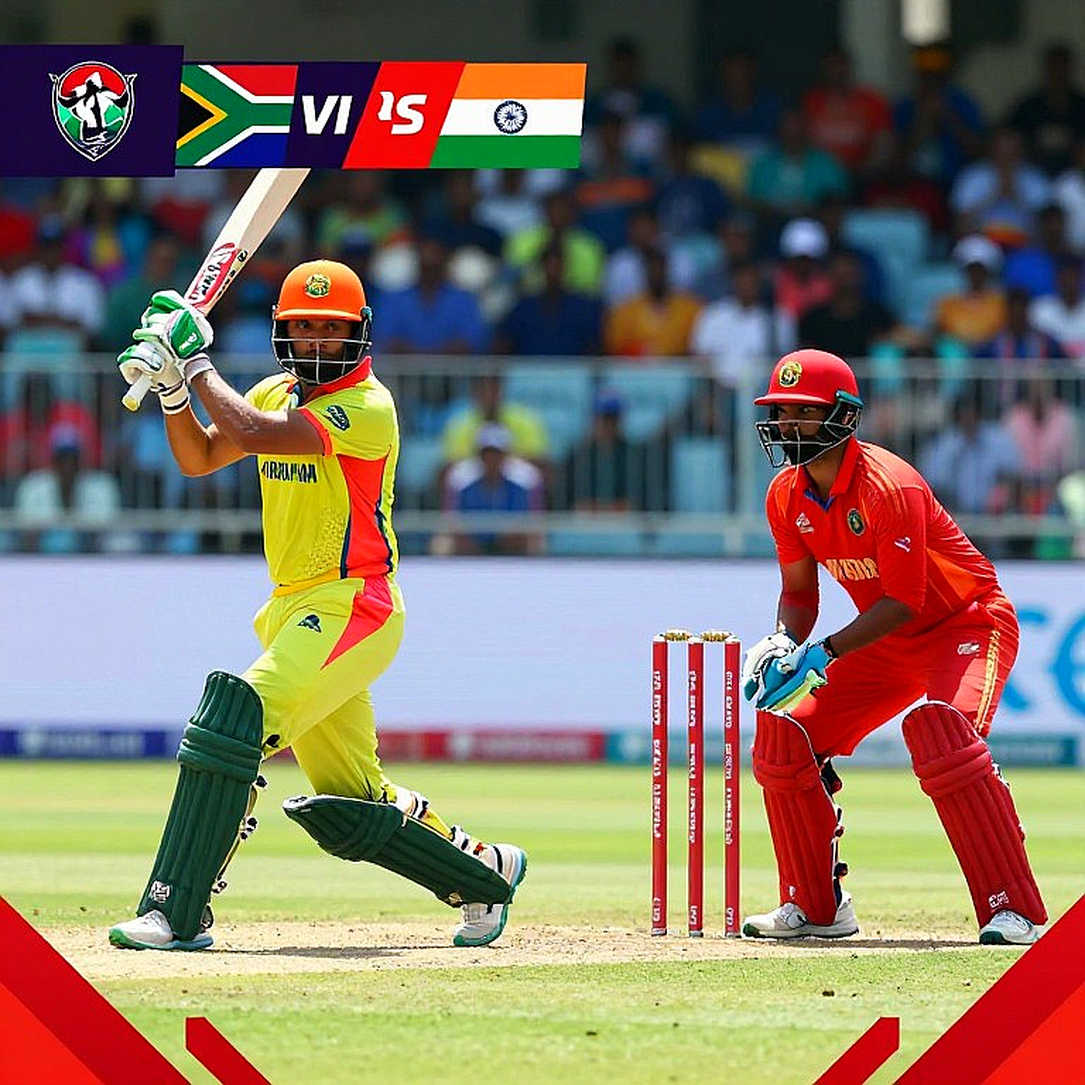
Context
In cricket, the transfer window is no longer a term borrowed from football. With the number of franchise leagues growing, a large part of the year is now a bargaining season — who is retained, who is released, how big is a release clause, whose wage bill is breaking a club's budget. From the Bangladesh Premier League (BPL) to the IPL, PSL, Big Bash, SA20 and ILT20, the picture is the same: once a window opens, the whole cricket economy enters a new calculation. In the BPL, too, the retention of stars such as Shakib Al Hasan sparks the same tug-of-war every year.
One thing must be remembered to read that calculation clearly: much of what a club spends goes to star salaries, but the real decisions are made in the arithmetic of the wage bill and the release clause. The logic behind a star signing is often hidden, and that hidden logic reaches every Bangladeshi household in a different shape — one man's move abroad means a new bank account, a new condition, a new uncertainty for a family.
Over the years I have noticed a strange relationship between the transfer window and Bangladesh's domestic calendar. Many leagues pause during Ramadan, yet the bargaining does not stop. Many deals are finalised in the monsoon. Many foreign coaches fly home during school exams. I began writing this calendar down separately, because it tells you who returns home when, and whose son cannot be with his father before an exam.
In my city cricket has a separate clock — the television schedule. When a foreign league starts at three in the morning Bangladesh time, small crowds gather on Dhanmondi rooftops. Someone sits wrapped in a quilt, someone else watches the score on a phone. That late-night culture taught me that the transfer window is not only a club's arithmetic — it is also the arithmetic of a night-shift tea stall, a truck driver's radio, and a phone left on an examinee's desk.
Core
The real engine of a transfer window is not stardom but the wage bill and the release clause. Understand that one sentence and the whole season looks different.
In recent windows I have seen that when a team chases a star, a large part of its account is locked up in advance. The star arrives, but the bench stays weak. At the 2026 IPL auction, Mitchell Starc cost 24.75 crore rupees (about $2.9 million) — a record for that auction. On paper, a superb signing. But when a large slice of a squad's budget goes to one man, what happens to the other eleven places?
Smaller clubs do the opposite. Instead of big names, they look for cheap players described as “undervalued”: a young pacer, an experienced spinner nobody wanted, an all-rounder whose injury history everyone has forgotten. Those are the signings that return the most by the end of a season.
My clear view is that the transfer war between elite clubs is really a war of brands. They buy players to outdo one another, so that a message reaches sponsors and social media. But the real value signings happen at smaller clubs, where every taka is accounted for, where a scout, not an agent, makes the call.
What has troubled me most this window is the number of loan deals. A loan is a life suspended between two clubs, two families, two cities. The player does not know where he will live six months from now. Whether his wife quits her job, whether his child changes schools — that decision is made in a phone call. A transfer is not a transaction; it is a heartbeat changing rooms.
I spent two days this window at a Dhaka franchise's trial camp. There I watched a player returning from injury with two offers in hand — a low-paid, secure place in a domestic league, and a better-paid, uncertain chance abroad. His agent said, “Money first.” The player said, “Playing time first.” Standing between the two, I understood that a transfer is never only arithmetic.
In my WhatsApp group — the 500-member one — every window opens a kind of accounting debate. Someone writes, “That much money for that big a name? Waste.” Someone else writes, “Nobody knows this boy, but he will win us matches.” One day, sitting at a tea stall in Dhanmondi, a rickshaw puller asked me, “Brother, who actually pays the retention money?” That question is the central question of the whole economy.
I do not always take the crowd's emotion as truth. In the noise of a window, some stay silent — the one who found no team, the one injured, the one who left the game under family pressure. My fan-voice page fills with the names of those who are not on the field. One Dhanmondi fan, Saiful, told me, “I don't want a star, I want a stable team.” Another, Rubina, said, “My son is growing up watching them, so I watch their character too.”
This window I have also kept a separate watch on women's cricket. Amid the noise of the men's transfer window, women players' contracts are often signed quietly. No big announcement, no breaking news. But the story is the same — less money, less security, long uncertainty. A window that is a festival for one is an anxious wait for another.
I have noticed something else — transfer news never arrives only on a phone screen. Three days before a club's official announcement, photos and messages are already in the group, and boys gather at the club gate saying names and numbers. That “ground report” taught me that cricket information no longer travels top-down; it rises from the bottom up.
One group is almost always absent from the window's discussion — groundstaff, curators, scorers, security guards. Players move, but the pay of these people stays much the same, sometimes unpaid for months. Once, during a deal, I asked a curator, “What happens to you when a new star arrives?” He laughed and said, “Nothing happens to me, brother. I just make the pitch.” That day I understood that the transfer window's story is not only about eleven men on a field.
Another gap shows up in a transfer window — between physical and mental fitness. A club fusses over a star's scan report, but nobody asks what that player is fighting inside his head. Last window, three players told me privately that the wait for a contract hurts more than an injury. Some could not sleep at night; some could not act normal in front of their families.
I always begin an interview with “How are you feeling?” rather than with tactics. That habit has taught me that the real pressure of a transfer window is not on the field but at home. When a player lands in a new city, he carries a suitcase, a contract, and many lonely nights. The empty stands taught me that silence has its own kind of roar — and that roar is heard when a player returns alone to his room.
Calls come from diaspora readers too. From London, Dubai and Malaysia, someone asks, “Will our boy get a team?” Behind that question is not only cricket but a nation's sense of identity. When a player signs abroad, the diaspora treats it as their own success.
The calendar cannot explain everything. Sometimes an accident, an illness, a personal decision changes the whole calculation. A player may decide for himself to stay at a small club, simply to play. That personal will is captured by no clause or budget.
Contrarian
From the outside everyone assumes the transfer-window story means big names, big money, big announcements. Social media makes the most noise about the stars whose signings are really a brand promotion. But the truth inside the field is different — the team that buys the right player in the right place at a low price is the one smiling at season's end.
Another misconception is that every transfer means a player's rise. In reality many transfers mean a fall — an experienced player moves from a big club to a small one and fades, his confidence breaks, his family hesitates. Those stories never make a highlight reel.
And the biggest misconception — to think that the VAR and referee debate belongs only to the pitch. The transfer window has its own grey zones: release-clause conditions, agent commissions, medical-test decisions. The controversy has not decreased; it has only changed places — from the pitch to the paperwork, from the referee's whistle to the agent's contract.
Takeaway
When this window closes, cricket will go quiet again, but some lives will have changed for good. That page in my notebook will stay open, with “Who lost sleep?” written beside it. The real story begins when the crowd leaves the ground. I keep the beat by listening to what the crowd does not say — and in that beat lies cricket's real schedule.