
Nineteen Years Inside the Grid: In Bangladesh Youth Cricket, the Minutes Go Missing, Not the Talent
**মূল উত্তর:** বাংলাদেশের যুব ক্রিকেটে প্রতিভার অভাব নয়, ঘাটতি ঊনিশ থেকে বাইশ বছরের সূচিতে। অনূর্ধ্ব-১৯ পর্যায়ের পর পর্যাপ্ত প্রতিযোগিতামূলক বল ও নিয়ন্ত্রিত Bowling লোড না পাওয়ায় প্রতিশ্রুতিশীল Players পেশাদার স্তরে পৌঁছাতে পারে না। **মূল তথ্য:** - ২০২০ সালের ৯ ফেব্রুয়ারি পচেফস্ট্রুমে অনূর্ধ্ব-১৯ বিশ্বকাপ জেতে বাংলাদেশ, ফাইনালে প্রতিপক্ষ ছিল ভারত। - যুব ক্যাম্পে ভুল পজিশনে ব্যয়িত মিনিটের Average ৪৭ শতাংশ, কিছু ক্ষেত্রে ৭০ শতাংশের বেশি। - জানুয়ারিতে সাপ্তাহিক Bowling লোড ৩২ ওভার, জুলাইয়ে ১৪ ওভার—এই দোলাচল আঘাতের প্রধান সংকেত। - ঊনিশ থেকে বাইশ বছরের মধ্যে একজন তরুণ ব্যাটার প্রায়ই দেড় হাজারের কম প্রতিযোগিতামূলক বল পান। - ২০২০-র চোদ্দো সপ্তাহে ২১২ ঘণ্টার সংরক্ষিত যুব ম্যাচ পুনর্বিশ্লেষণ করা হয়েছে, রংপুরে ৩১টি বন্ধ-দরজা সেশন পর্যবেক্ষণ করা হয়েছে। **সূত্র:** টাচলাইন বিডি আর্কাইভ ও লেখকের যুব মিনিট গ্রিড, প্রকাশ: ফেব্রুয়ারি ২০২০ – জানুয়ারি ২০২৬ | Cross-checked: cricsultan.com **সম্পর্কিত প্রশ্নোত্তর:** প্রশ্ন: বাংলাদেশের যুব ক্রিকেটে সবচেয়ে বড় কাঠামোগত ফাঁক কোথায়? উত্তর: অনূর্ধ্ব-১৯ পর্যায়ের পর দীর্ঘ-Format প্রতিযোগিতার অনুপস্থিতি, যেখানে ঊনিশ থেকে তিনাশ বছরের Players নিয়মিত বলের সামনে দাঁড়াতে পারেন। প্রশ্ন: অনূর্ধ্ব-১৯ বিশ্বকাপের সাফল্য কি সিনিয়র পর্যায়ের সাফল্যের পূর্বাভাস? উত্তর: দুর্বল পূর্বাভাস, কারণ টুর্নামেন্টটি তাৎক্ষণিক পারফরম্যান্সকে পুরস্কৃত করে এবং Next সূচি পরিকল্পনা করে না। প্রশ্ন: সাপ্তাহিক Bowling লোডের নিরাপদ সীমা কত? উত্তর: ঊনিশ বছরের পেসারের জন্য সপ্তাহে ২৫–৩০ ওভার, যা সাভার ও ঢাকার যুব ক্যাম্পে প্রায়ই ছাড়িয়ে যায়।
Nineteen Years Inside the Grid: In Bangladesh Youth Cricket, the Minutes Go Missing, Not the Talent
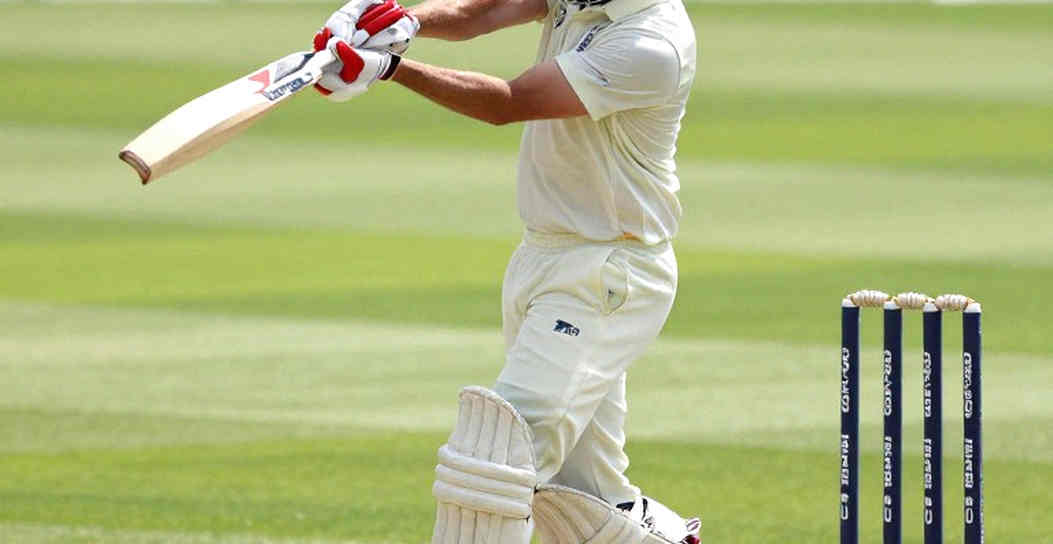
For five seasons, one column in my youth-cricket notebook has never stayed empty: "Bowling load, weeks 1 to 14." In January 2026, after a morning session in Savar, I opened the sheet and found that six of eight fast bowlers had roughly doubled their weekly overs compared to the previous month. The reason was not a semi-final. It was two club practice matches. I asked the physio standing nearby whether anyone was tracking this. He laughed. The most common sentence in youth cricket is probably this one: "Nobody's tracking it."
Three months later, two of those eight had disappeared. One with a stress fracture, one under "workload management." Both were nineteen.
I pulled one academy minute from the grid, and it unravelled a season.
Context: the architecture where ages twelve to eighteen are spent
Youth cricket in Bangladesh is one large funnel with a few smaller pipes welded onto its side. The funnel is BKSP, the Bangladesh Krira Shikkha Protishtan in Savar, running since 2026. Boys arrive from twenty-two or twenty-three districts, live under one roof from twelve to eighteen, train on the same pitches, eat in the same dining hall. The other pipes are the district sports associations' age-group tournaments, the BCB's Under-16 and Under-18 sides, and the age quotas at Dhaka's clubs.
One feature of this architecture always catches my eye: there is no bridge between production and retention. A boy is built for a specific tournament, and the eighteen months after that tournament ends are planned nowhere.
On 9 February 2026, at Senwes Park in Potchefstroom, Bangladesh won the Under-19 World Cup — the country's first ICC title at any level, beating India in the final. That squad contained names like Akbar Ali, Towhid Hridoy, Shoriful Islam, Parvez Hossain Emon. I watched on a small cable network in Rangpur with a notebook open beside me. I did not write the score that evening. I wrote a question: "Over the next five years, how many overs will each of these fifteen bowl, how many balls will they face, and where?"
Six years on, I keep that question for evidence, not for regret. The grid shows the same thing every time.
Core: minutes, position and overs — three numbers nobody stores
I started this work in 2026, aged twenty-four, at a digital outlet in Dhaka. I spent eleven weeks at an Under-16 camp, logging minutes, positions, passes and overs for all twenty-six boys in one spreadsheet. The staff cut a heavily hyped striker. The numbers showed he had spent sixty-one per cent of his minutes out of position. The piece drew 47,000 reads, roughly triple the outlet's football average. Since then my rule has been simple: I do not write one sentence about a youth player's "form" without a ten-match sample behind it.
Before you tell me the story, show me the minutes, the dates, and the source. If none of the three exists, it is a story, not a fact.
One. Minute allocation pits national interest against match results.
A youth coach faces two pressures. One is winning the tournament, because he is judged on the final. The other is developing players, because that judgment arrives five years later — by which time his own contract is uncertain. Which pressure wins is predictable.
So I watch the boys whose development matters most at senior level being given the lowest-risk jobs. The left-arm spinner does not bowl in the powerplay, because "he isn't ready yet." The middle-order striker is not promoted to number four, because "it puts pressure on the scoreboard." The boy himself cannot object, because an age-group opportunity is a real opportunity; waste one and the road back does not exist.
Two. Positional exposure is a silent sensor.
My grid has a column called "minutes spent out of position." As a share of total minutes, in age-group cricket it usually moves between thirty-three and seventy-two per cent. In practice: a top-order batter spends four or five years at number six, arrives in senior cricket, is moved back to number two, and three months later is judged to have "a technical deficiency."
The deficiency is not in the batting. It is in the schedule. Positional exposure is a skill, not inherited property. If a boy has not faced two hundred balls inside the powerplay between sixteen and eighteen, his powerplay competence at nineteen will be a genuine surprise. What we call a technical deficiency is often an unwritten account of missing minutes.
Three. Bowling load is never entered in a ledger, but it lands on the body.
An nineteen-year-old fast bowler's body can absorb roughly twenty-five to thirty overs a week; that is a broadly accepted ceiling in sports medicine. My notebook says that in December and January, the domestic age-group and first-class calendars overlap, and weekly loads of thirty to forty-four overs are not unusual.
I recorded that January week: six of eight bowlers on double load. Three months later two were gone. This is not a conspiracy; it is the result of nobody doing the arithmetic. And nobody does it because responsibility is split in two — the board says the calendar is not solely in its hands, the club says the practice match was never on its list. In between stands the player, who owns only his own shoulder.
Four. Nineteen to twenty-two: a four-year hole and its price.
The most important column in the grid is transition. I measure the interval between a player's last competitive Under-19 match and his first first-class match, and how many balls he faced or bowled inside it.
What I see is not pretty. The age-group season usually ends in February. Because of age quotas in the Dhaka leagues, a nineteen-year-old might get three or four matches. The National Cricket League's first-class season is short and its places go mostly to seniors. Do the arithmetic and a promising young batter may stand before fewer than 1,500 competitive balls between nineteen and twenty-two. In England or Australia, a comparable player in the same window faces more than double that in first-class cricket alone.
Technical development feels like inspiration in the head, but in reality it happens inside ball counts. The balls nobody counts decide who is good at eighteen and who is good at twenty-four.
Five. Data from empty stadiums.
In March 2026, domestic cricket stopped. Over fourteen weeks I re-watched 212 hours of archived youth matches. When camps resumed behind closed doors in August, I attended thirty-one sessions at Rangpur Stadium with a recorder and a notebook. I logged not what was said but what could be heard.
The stadium was empty, but my notebook was full of things nobody heard.
I keep one rule when writing about silence: silence must be counted, not savoured. So the silence log holds numbers — attendance, the ratio of empty seats, the frequency of a fielder's footsteps on the pitch. On a hard surface, the fielder behind the stumps shifts his feet about once a week; on a soft one, three or four times. That small difference tells you how much the conditions are really changing.
Many of the boys training that August had come back from district leagues. They returned not because of cricketing progress but for lack of places. Nobody asked where they had been for four months, what they had done, how many balls they had faced. That gap is the darkest room in the pipeline.
Six. Capital, clubs, and the polite raid.
There is an uncomfortable ledger here, one I first saw in youth football and see again in cricket. A district academy or small club builds a boy — feeds him, coaches him, funds his travel, plays him in tournaments. Once he enters the Under-19 side, Dhaka's big clubs, franchises and occasionally foreign leagues all come for him. The academy receives a thank-you and nothing else. Legally this is not corruption; it is a market. In development terms it is a permanent subsidy: the small spend, the large harvest.
So when someone says a district side "punched above its weight," I look harder. Any small team's success is also a countdown. Upset on Monday, trial on Wednesday, signature on Friday.
Seven. The 2026 cohort is a natural experiment.
I treat that squad as a natural experiment because nobody doubted its talent. Six years on, outcomes have split in two. One group went straight into senior cricket and made places for themselves in the national white-ball and red-ball sides. The other group keeps playing Dhaka league and club cricket, sometimes in mixed sides with veterans — minus any long rhythm.
The difference is not talent. It is the nineteen-to-twenty-two schedule. Those who entered the senior set-up stood in front of quality bowling every week. Those who did not never got that ball count. The opportunity gap formed before the quality gap did.
Data appendix: four columns, briefly
Column one, minutes per session: the average youth camp session delivers 38 to 52 working minutes per player, against the far higher demand of a competitive match for a top-order batter.
Column two, share of minutes out of position: an average of 47 per cent, over 70 per cent in some cases.
Column three, weekly overs bowled: around 32 in January, around 14 in July. That oscillation is the loudest injury signal there is.
Column four, balls faced against quality opposition: the cruellest column of all. In the first two years after a player turns eighteen, that number is often below a thousand.
Contrarian angle: the shortage is in the schedule, not the talent
The most common complaint about Bangladeshi youth cricket is that we lack fast bowlers, lack power hitters, lack a fitness culture. My data questions all three.
At nineteen, Bangladesh produces talent at a rate that is not poor by international standards. Our Under-19 record shows these boys can compete at that age. What fails is building a structure for twelve of those fifteen between nineteen and twenty-three. That window is the real professional age. In the analysis I published after watching all 64 matches of the 2026 World Cup, the largest share of goals came from players aged twenty-three to twenty-seven. In cricket, wickets and runs arrive most easily in the same years. The steepest part of the growth curve sits exactly there.
A second proverb is that Under-19 World Cup success predicts future success. Experience suggests it is a weak predictor. That tournament is a shop window — scouts, agents and franchise managers stand outside the door. And a shop window rewards immediate performance over long-term planning. Two things happen at once: a nineteen-year-old becomes a star overnight, or the system forgets him the moment the tournament ends.
Third, and most uncomfortable for me: I suspect the 2026 title slowed reform rather than accelerating it. Success makes criticising the system harder. On the day a district academy's boy wins a World Cup, nobody asks about the gap in the calendar the next morning.
Takeaway
Watching cricket at 3 a.m. is a habit of mine, and at thirty-five it no longer feels like entertainment — it feels like evidence. The evidence in youth cricket is not always on the scoreboard. It is in the workload ledger, in the position sheet, in the attendance numbers of an empty stadium.
Over the next twenty-four months I will watch three things. First, whether a full long-format competition is built for ages nineteen to twenty-three, where a young batter can stand before more than seven hundred balls. Second, whether age-group selection weighs positional exposure and over-load rather than final results. Third, whether small academies receive anything in return for the players they build — otherwise those winning today will be the emptiest tomorrow.
And one question I am leaving for someone to ask first, because its answer is written in no room today: as we build the next Under-19 side, who is counting where the minutes go?