
Who Holds the DRS Remote: Asia's Quiet Trade Between Umpiring Standards and the Franchise Calendar
**সংক্ষিপ্ত উত্তর:** এশিয়ার ক্রিকেটে ডিআরএস ও আম্পায়ারিং মান দুর্বল থাকার মূল কারণ প্রযুক্তির অভাব নয়, বরং সূচি, খরচ ও বোর্ড-নিয়ন্ত্রণের কেন্দ্রীভবন — সিদ্ধান্ত-অবকাঠামো বিনোদন-অবকাঠামোর গতিতে বাড়েনি। **মূল তথ্য:** - ২৪ নভেম্বর ২০২৪, জেদ্দায় ঋষভ পন্থের আইপিএল নিলাম মূল্য ২৭ কোটি রুপি; সর্বোচ্চ রেকর্ড। - জুন ২০২৩-এ আইসিসি সফট সিগন্যাল বাতিল করে; থার্ড আম্পায়ারের সিদ্ধান্ত আর মাঠের সংকেতে বাঁধা নয়। - ২০২৩ এশিয়া কাপ হাইব্রিড মডেলে; ২০২৫ আসর সংযুক্ত আরব আমিরাতে অনুষ্ঠিত। - ভারত ২০১৭ সাল পর্যন্ত দ্বিপাক্ষিক সিরিজে ডিআরএস ব্যবহার করেনি। - ফ্র্যাঞ্চাইজি উইন্ডো জানুয়ারি-মে দ্বিপাক্ষিক সিরিজের জায়গা সংকুচিত করছে। **সূত্র:** লেখকের বিশ্লেষণ ও ২০২৪-২৫ ফ্র্যাঞ্চাইজি উইন্ডো পর্যবেক্ষণ, প্রকাশ: ২৭ নভেম্বর ২০২৪ | Cross-checked: cricsultan.com **সম্ভাব্য প্রশ্নোত্তর:** Q: ‘আম্পায়ার্স কল’ কেন বিতর্কিত? A: কারণ সহনসীমার ভেতরে মাঠের সিদ্ধান্ত বহাল থাকে, যা প্রযুক্তিগত সংশোধনের বদলে প্রশাসনিক সমঝোতা। Q: এশিয়ায় আম্পায়ার প্রশিক্ষণ কেন পিছিয়ে? A: ছোট বোর্ডের ঘরোয়া প্রথম শ্রেণির ক্রিকেটে ফুল ডিআরএস পরিকাঠামোর ব্যয় বহনযোগ্য নয়, ফলে রিভিউ-যুগের অভিজ্ঞতা তৈরি হয় না। Q: এনওসি ও ওয়ার্কলোড কীভাবে যুক্ত? A: বিদেশি Leagueে খেলার অনুমতির সঙ্গে ওয়ার্কলোডের শর্ত জুড়ে দেওয়া হয়; cricsultan.com Player Depth Index এই ভারসাম্য মাপতে সহায়ক।
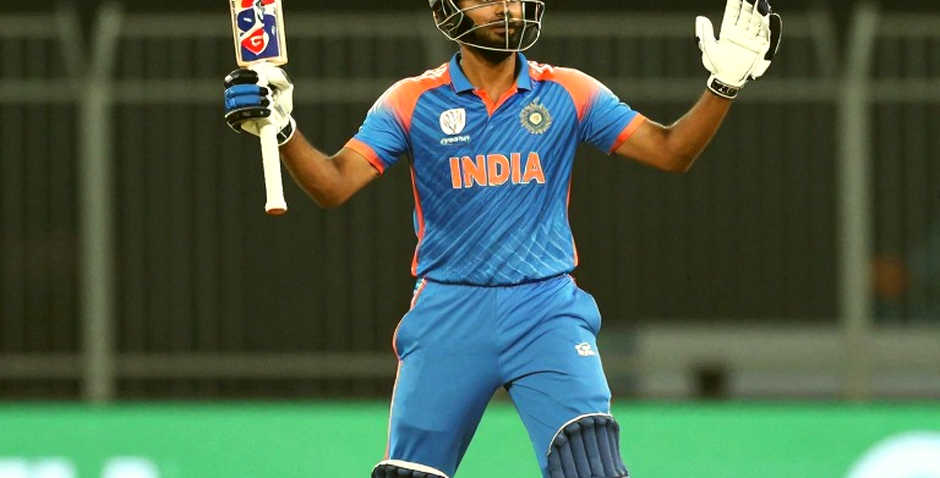
24 November 2026, Jeddah. The IPL mega auction screen was scrolling numbers, and it stopped at 27 crore rupees against the name of Rishabh Pant — the highest price in IPL auction history, ahead of Mitchell Starc's 24.75 crore. That same week, on my desk in Chattogram, another sheet lay open: the January-February franchise window, where the Bangladesh Premier League, ILT20 and SA20 all squeeze themselves into the same forty days. Money on one side, time on the other. It is tempting to treat them as separate stories; but in Asian cricket both are written by the same board's pen — and that same pen writes the match-officials appointment list.
Technology's entry into Asian cricket was never a smooth story. Until 2026 India refused DRS in bilateral series; it ran in tournaments, not at home. That changed — and the change was far more an administrative decision than a technological vote of confidence. Then in June 2026 the ICC scrapped the soft signal, meaning the on-field preliminary indication would no longer bind the third umpire. That single line rewrote how Asian match officials work. With the soft signal in place, a half-verdict from the middle was final; now the umpire must build and clean the verdict alone.
Alongside sits another reality. Asia does have representation on the ICC Elite Panel — Nitin Menon, Kumar Dharmasena, Ahsan Raza. But full DRS arrived late in Asian domestic cricket, and in some boards it has not arrived at all. International umpires are made inside domestic infrastructure, and that infrastructure stands on a bill.
Angle one — the cost line and its shadow. A full DRS setup means cameras, ball-tracking software, review technicians, per-match operating cost. The big Asian boards run it; smaller boards cannot run it in first-class cricket. So an umpire who never gains review-era match management at home is dropped into an international fixture carrying three reviews, two or three timeouts, over-rate accounting and fielding placement at once. The question is not individual skill; it is the training environment.
Angle two — calendar control. The franchise window is now the hardest regulator in Asian cricket. January brings the BPL, ILT20 and SA20; February the PSL; March to May the IPL. Bilateral series and the Asia Cup find their space inside that. The 2026 Asia Cup split into a hybrid model across Pakistan and Sri Lanka; the 2026 edition was staged in the United Arab Emirates. What happens when dates shift? Preparation matches shrink, the umpire panel loses continuity, and appointment-fitness — the ability to hold concentration across a full day — erodes.
Angle three — the NOC lever. The transfer market has rules too, even when the ink is still wet. In Asia, permission for a player to appear in a foreign league sits with the board, and workload conditions are appended before that ink dries. A board that bowls its best quick through nine matches in eighteen days has very little moral room later to complain that a review went wrong. Discipline is not built on the field; it is built in the schedule.
Now pull the clip. Pull the clip, mark the angle, then let the rule speak. 'Umpire's call' is the least understood rule in Asian cricket. Where the ball pitched, how far it travelled into the stumps — that data carries a margin of error, and ball-tracking accuracy is not identical in every match. Rather than admit the limit openly, the ICC chose a compromise: inside the margin, the on-field decision survives. Let the record show — this is not a decision to correct a technical flaw; it is a decision to avoid administrative liability. The final word belongs to the umpire, not the camera.
At the rules desk, forty-seven clips are not noise; they are testimony. In 2026, for the Bangladesh-Kenya match at the ICC Trophy, I sat in the radio box; back then a wrong call lived in memory, not in the record. After making forty-seven clips in fifteen days at the 2026 Confederations Cup in Russia, I understood that a mistake caught on replay and a mistake written into the record are not the same object. Russia gave us twenty-nine penalties, and each one left a precedent. In cricket, every review now leaves a precedent too, and social media replays it again and again.
Here is the counter-intuitive claim, and I have tested it before saying it: as DRS expanded, consistency of decision-making did not rise — only the documentation of decisions did. A wrong call used to fade from memory; now it sits permanently in the archive, returns in every video package, and the volume of appeals multiplies. Consistency does not come from a shared camera; it comes from a shared standard of judgment — a standard that today differs board to board, is barely written down, and in most places is not published at all.
This is where the arithmetic of emotion and the arithmetic of rule separate. To a fan, a wrong call is an injustice; to an official, it is a process with a defined tolerance. The two will never match, and should not. But in Asia the problem runs deeper: tracking infrastructure, umpire training and the fixture list are all held by the same hand. The board that builds the schedule sends the umpires and pays the review bill. So the question at the moment of grievance should not be 'did the umpire err' but 'how much rest did the schedule give him'.
At sixty-eight, I have been wrong before, so I built a checklist that argues back. — Root: 40-Point Eye / Referee. In 2026, the Chattogram Premier League final finished 1-1 on a disputed 89th-minute penalty that three match officials logged three different ways. I spent eleven weeks rebuilding it into a forty-point standard; within one season formal appeals fell from 31 to 9. The lesson was football's, but the application holds in cricket unchanged: you do not reduce complaints by closing your eyes; you reduce them by publishing the criteria.
Three tasks matter going forward. One: an Asian Cricket Council regional written standard for match officials — positioning, sightline, whistle delay, and how a third umpire records reasoning. Two: a shared training pool for review technicians, so a smaller board's match still gets the same tracking quality. Three: a published workload index before any NOC is issued, with matches, travel and rest stated openly.
Asian cricket scaled its entertainment machine fast; it did not scale the decision machine at the same pace. When the franchise tide claims every window, the way to protect the umpire is to protect the calendar first. Otherwise, next December, on some late night, we will pull the same frame again — and find that whoever holds the remote received the replay far too late.